

Epstein-Barr Virus Reprograms B cells as Antigen-Presenting Cells in Systemic Lupus Erythematosus.
By John Joseph Pack MD
Published on 12/15/2025
Journal Review: Epstein-Barr Virus Reprograms B cells as Antigen-Presenting Cells in Systemic Lupus Erythematosus.
Science Translational Medicine 12 Nov 2025, Vol 17, Issue 824
Authors: Shady Younis, Salvinaz Moutusy, William Robinson, plus 21 other authors
Stanford researchers have tied Systemic Lupus Erythematosus to Epstein-Barr Virus, opening the potential for future novel treatments. EBV has been tied to SLE by other researchers, but the pathogenesis had remained ill-defined until now.
95% of humans are suspected to be infected with Epstein-Barr Virus, yet only a comparatively small amount of people develop SLE. During EBV infection, the virus enters the cell nucleus and, after causing clinical or subclinical disease in the host, enters a latency period. The virus has a predisposition for the cell’s nucleus but does not insert itself into the host cell’s DNA. Viral DNA remains as a separate circular episome and uses host cell enzymes and machinery to produce proteins and replicate. As a result, Epstein-Barr Virus Nuclear Antigen 1 and Epstein-Barr Virus Nuclear Antigen 2 are produced after being transcribed by host RNA polymerase enzymes. EBVNA1 closely resembles other human nuclear proteins, such as Smith antigen, RO (SSA) antigen, and other DS-DNA associated proteins, thus eventually enabling autoantibodies directed at EBVNA1 to cross react with other similar looking human nuclear antigens to produce anti-nuclear antibodies, anti-DNA ab’s, Anti-Smith ab’s. These auto-antibodies can cross cell membranes and enter the nucleus via membrane disruption, endocytosis and pinocytosis to inflict their damage.
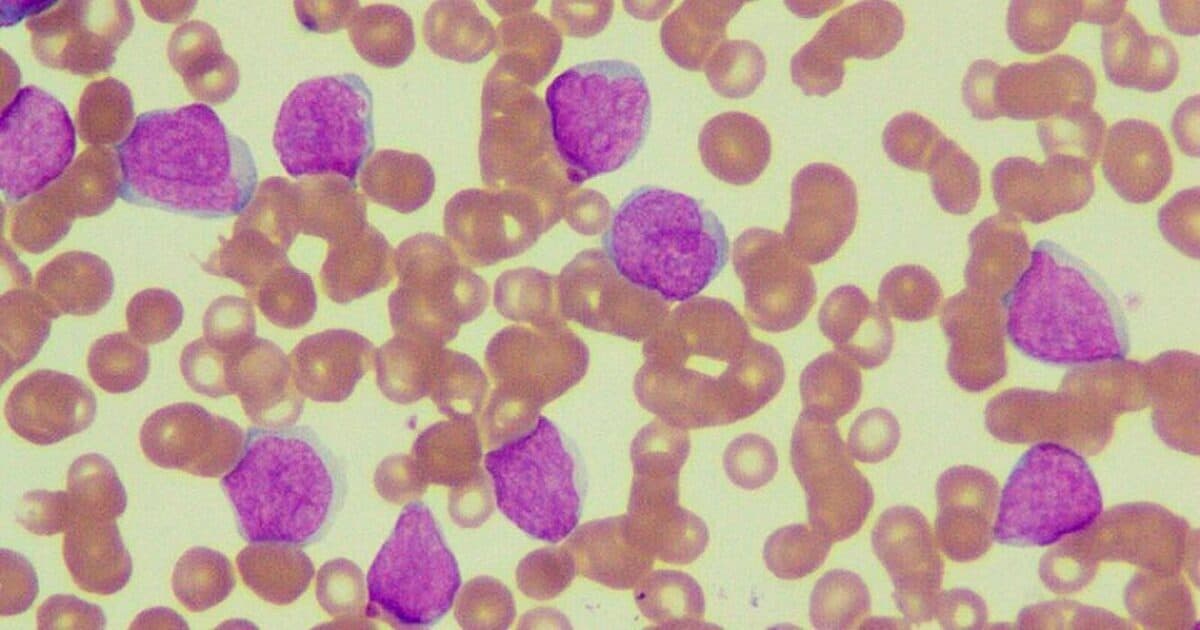
The authors found that infected, antibody producing B-cells were transcriptionally unique compared to non-infected B-cells, and exhibited antigen presenting features on their surface, through EBVNA2, which enhance immune activation by activating T helper cells and other immune mediators, setting off a domino effect where the activated T-cells, in-kind, activate other autoreactive B-cells, whether infected or not, which activate other T-cells, including Killer T-cells, creating a self-driving circuit, ultimately resulting in interferon storm, and setting the tone for cell injury, cell death, tissue destruction, and end-organ injury, until the “flare” subsides or is made to subside by immunosuppressants.
Reviewers note: The immunology is extremely complex. What is quite clear is that the authors have shown that SLE can be triggered by a mis-directed immune response to EBV and that they have discovered the pathogenesis behind how EBV causes SLE, which provides hope that further research may lead to universal EBV vaccines, effective antivirals, or mono-clonal antibodies targeting specific portions of the defined immunologic pathway. It’s possible, knowing the immunologic pathogenesis of SLE, we could see either avenues to prevention, more effective treatment, or even eradication. Other aspects of what still needs to be solved is why SLE predominantly affects women, as many autoimmune diseases do, and, if almost all of us have been infected by EBV, why only some of us develop SLE.

Sign up for our Newsletter!
Receive the latest articles directly in your inbox


Discussion
Join the conversation! Login if you already have an account, or create an account. We would love to hear your perspective.
Comments
0Loading comments…