

At around 11:40 p.m. last night, while I was on the inpatient service taking care of some patient files, I received a phone call from the senior resident on call.
His voice was calm, but there was a slight worry in it.
“Come to the emergency department. Quickly.”
As I made my way down to the emergency department, my mind started going through different scenarios of what I might be facing when I got there. I tried to prepare myself for whatever was waiting for us.
But when I arrived, I was struck by how calm and ordinary everything was.
Almost too calm.
I looked into the different rooms, wondering how serious the situation could be. I had just received a phone call that clearly suggested an emergency, yet there was no obvious sign of one. No shouting. No running. No commotion.
Just an unsettling quiet.
It reminded me of those moments in movies when everything becomes strangely still just before a tsunami hits.
Once I got to the resuscitation room, I started hearing a muffled, chaotic sound approaching from outside. It was getting louder and louder.
Then the emergency entrance doors opened.
And all hell broke loose.
A stretcher was being pushed rapidly into the resuscitation room, surrounded by healthcare workers and police officers. One healthcare worker was on top of the patient performing chest compressions. Another was manually ventilating him. Others were trying to establish IV access, attach monitors, administer medications, and prepare for whatever was about to happen next.
Everyone was moving.
Everyone was planning.
No one seemed to know exactly what had happened yet, but everyone seemed to understand one thing:
There was very little time.
On the stretcher was a man in his thirties.
He had suffered a severe gunshot wound that appeared to have entered through his right shoulder, causing extensive damage to his thoracic cavity.
The patient was quickly taken into the operating room.
I am only in my third month as a thoracic surgery resident. Three months is hardly enough time to become accustomed to situations like this. I am still learning where to stand, what to do, when to speak, when to step forward, and when to simply watch the people around me who have been doing this for years.
The senior resident, still remarkably calm, asked me to remove the patient's chest tube while the team prepared for an exploratory thoracotomy to identify and control the source of the bleeding.
Within seconds, the operation began.
Everything moved quickly.
Watching the doctors, nurses, and everyone else in that room, I couldn't help but think that what they were doing was nothing less than God's work.
Every decision was made with the same urgency, as if the person lying on that table were someone they loved deeply.
Not because they were guaranteed to succeed.
Not because they knew the outcome.
And maybe that is one of the most beautiful things about medicine.
We fight for people we don't know.
We stand beside strangers at the most vulnerable moments of their lives and give everything we have, even when we do not know whether it will be enough.
Last night, I was reminded that medicine is not always about winning.
Sometimes, it is simply about refusing to give up while there is still something left to do.
About the Author
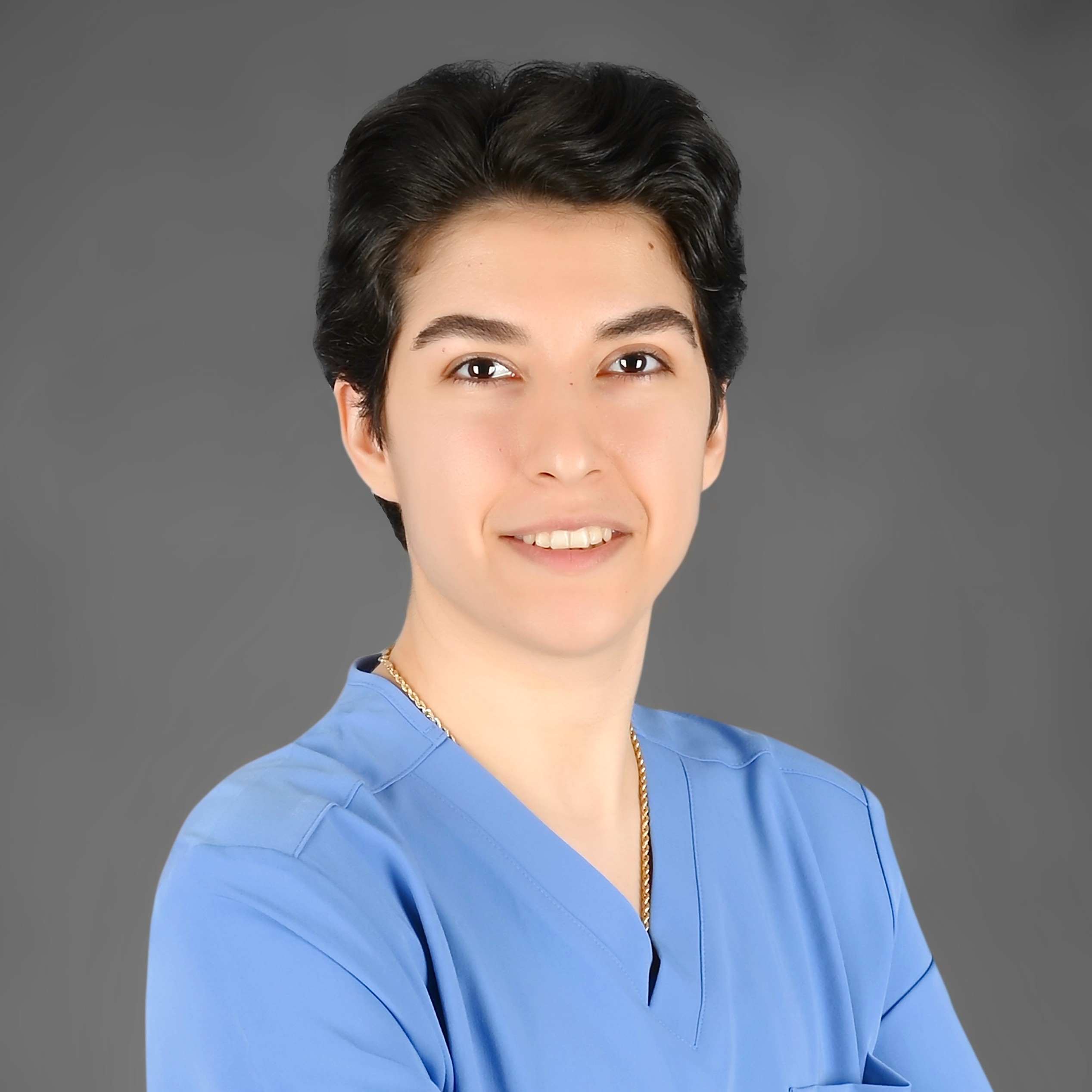
Ghazaleh Aghazadeh, MD
Dr. Ghazaleh Aghazadeh is a thoracic surgery resident at İstanbul University–Cerrahpaşa in Türkiye.
Sign up for our Newsletter!
Receive the latest articles directly in your inbox
Your Next Read

Discussion
Join the conversation! Login if you already have an account, or create an account. We would love to hear your perspective.
Comments
0Loading comments…